Let’s be honest: Dubai sounds almost too good to be true. Zero income tax, world-class infrastructure, a skyline that looks like the future, and a job market that pulls in talent from every corner of the planet. It’s no wonder so many people are actively searching for jobs in Dubai for foreigners every single day.
But here’s the thing: landing a job there isn’t magic, and it’s not as simple as uploading your CV to one website and waiting. There’s a process. There’s a strategy. And there are some things nobody tells you upfront that can make or break your search.
This guide covers all of it.
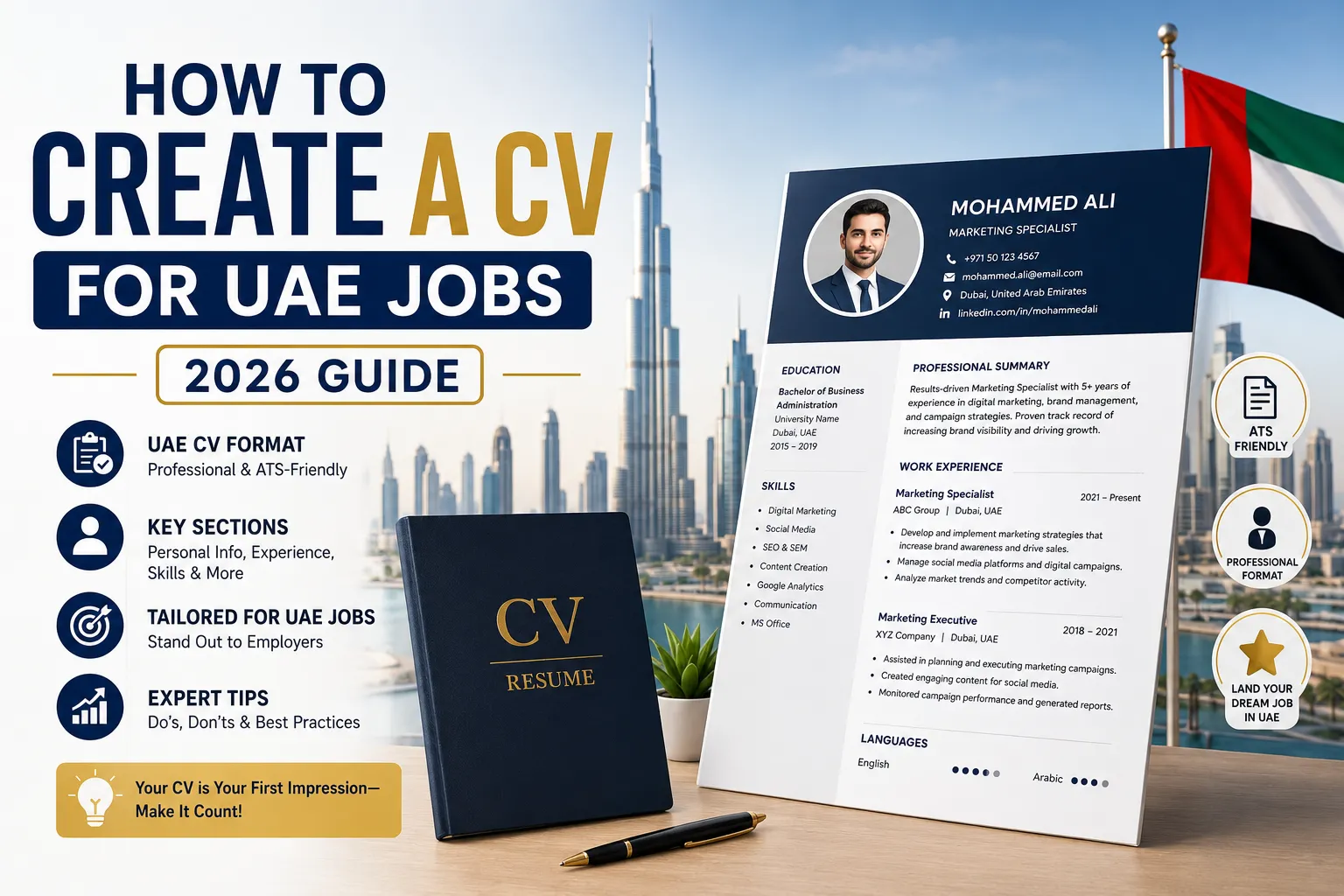
The first step is preparing a UAE-standard resume. Follow our How to Create a CV for UAE Jobs (2026 Guide)
First, Understand How Dubai’s Job Market Actually Works
Dubai runs on expatriate talent. Over 88% of the UAE’s workforce is made up of foreigners — that number alone tells you how open the market is to outsiders. But “open” doesn’t mean “easy.” Competition is fierce, hiring often happens through networks, and certain industries are far more accessible than others.
The sectors actively hiring foreigners right now include:
- Technology and IT — software development, cybersecurity, AI, and cloud roles are in constant demand
- Finance and banking — DIFC (Dubai International Financial Centre) is the hub here
- Construction and engineering — major infrastructure projects never really stop in the UAE
- Healthcare — nurses, doctors, and allied health professionals are always needed
- Hospitality and tourism — one of Dubai’s core industries, especially post-Expo 2020
- Education — private schools and universities actively recruit internationally
- Marketing, sales, and media — particularly for brands with regional ambitions
If your background is in one of these areas, you’re already on solid footing.
Get Your Documents in Order Before You Start
This sounds boring. Do it anyway.
Many foreign applicants waste weeks in the final stages of a hiring process because their paperwork isn’t ready. Before you even send your first application, have these prepared:
- Updated CV in the UAE/Gulf format — one to two pages, clean layout, a professional photo is typically expected (unlike in many Western countries)
- Attested educational certificates — the UAE takes credential verification seriously; you’ll need degrees attested by your home country’s foreign affairs ministry and then the UAE embassy
- A valid passport with at least 6 months’ validity
- Professional references — two or three from previous employers, ideally with UAE or international context
One common mistake: people apply with a 4-page academic CV. In Dubai, hiring managers typically spend less than 30 seconds on a first read. Keep it tight and relevant.
Where to Find Jobs in Dubai as a Foreigner
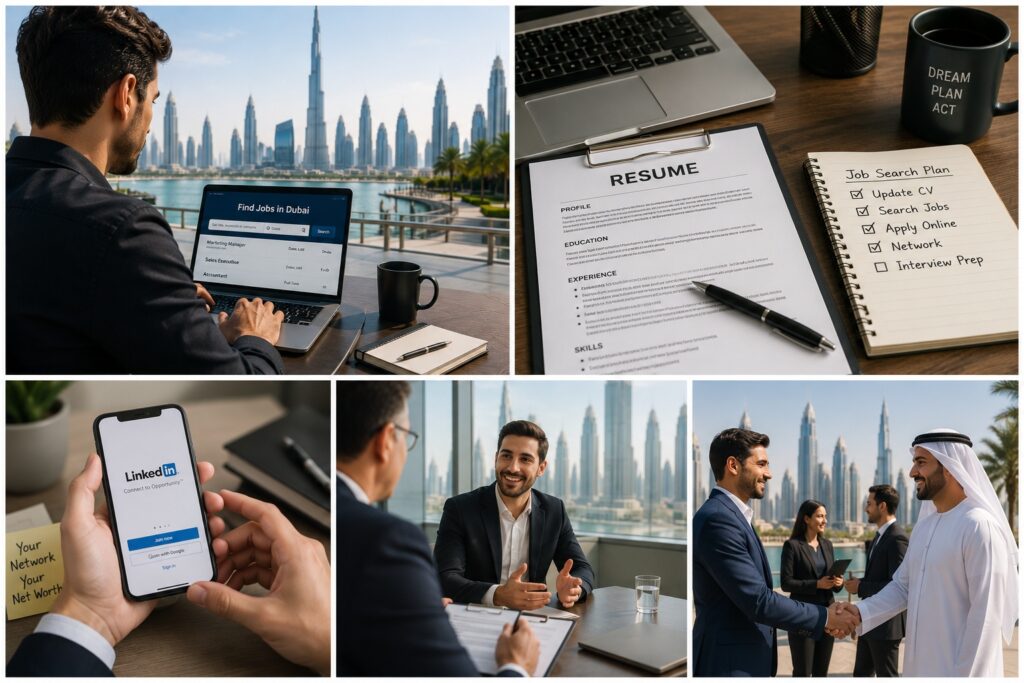
There’s no single platform that rules them all. Smart job seekers use a mix.
Online Job Portals
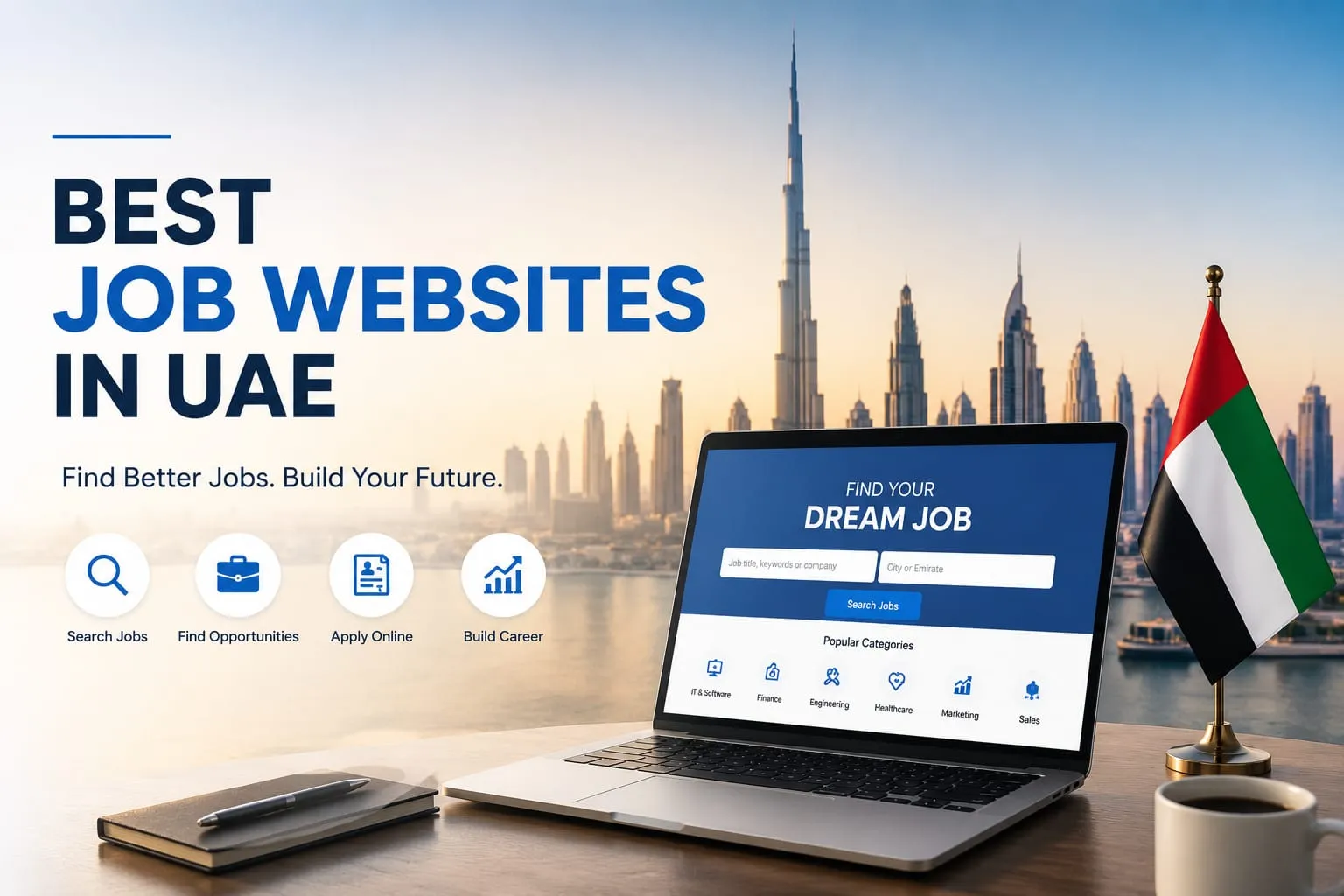
Bayt.com is the dominant regional job site — think of it as the LinkedIn of the Middle East, but with more active listings. GulfTalent is strong for mid-to-senior professionals. Naukrigulf is popular particularly if you’re coming from South Asia. And of course, LinkedIn remains globally relevant here — many Dubai-based recruiters are extremely active on the platform.
A few underrated ones worth checking: Dubizzle Jobs for SME roles, and Indeed UAE for a broader sweep.
Recruitment Agencies
Agencies matter more in Dubai than in many other cities. Firms like Michael Page UAE, Robert Half, Hays Middle East, and Black Pearl place hundreds of candidates every month. If you’re a professional with 5+ years of experience, getting registered with two or three of these can seriously accelerate your search.
Don’t just send your CV into the void, though — find the specific consultant for your sector and reach out to them directly on LinkedIn.
Directly Through Company Career Pages
For larger companies — Emirates Group, Etisalat (now e&), Emaar, DEWA, Dubai Holding — go straight to their careers pages. They list roles that never make it to the big job boards. This is especially true in finance and government-linked entities.
To target high-growth careers, see our Top In-Demand Jobs in Dubai Right Now (2026).
Networking (Yes, It’s Mandatory)
Dubai is a relationship city. More so than almost anywhere else I’ve come across in research, people hire people they know or people who come recommended. If you can attend industry events, join professional groups on LinkedIn for UAE-based professionals, or even connect with Dubai expat communities on Reddit and Facebook — do it.
There’s a strong expat community on Reddit (r/dubai) that’s surprisingly helpful for real, unfiltered advice.
Should You Apply From Abroad or Move First?
This is the big question. And honestly, it depends.
Applying from your home country is perfectly valid and works well for senior roles where companies are willing to sponsor visas and relocate candidates. Multinationals and large regional employers do this regularly. If you’re targeting a specific company or have niche expertise they genuinely need, apply remotely.
Being on the ground in Dubai gives you a practical advantage for mid-level and entry-level roles. Recruiters in Dubai often prefer candidates who are already there — it signals commitment, speeds up the hiring timeline, and removes the logistical friction of visas. Many foreigners come on a tourist visa (which gives you 30–90 days depending on nationality), job search intensively, and secure an offer before leaving.
If you go this route, go with a clear plan. Know your target industries. Have meetings lined up. Don’t just show up and hope for the best.
Understanding the UAE Work Visa Process
You cannot legally work in Dubai without an employment visa — and as a foreigner, your employer is responsible for sponsoring it. This is called the work permit or residence visa, issued by the Ministry of Human Resources and Emiratisation (MoHRE).
Here’s roughly how it works once you have a job offer:
- Your employer applies for your work permit
- You’ll receive an entry permit to travel to the UAE
- A medical fitness test is done in the UAE
- Emirates ID and residence visa stamping follows
The whole process typically takes 2–6 weeks after the offer is accepted. Your employer handles most of it — your job is to provide documents and show up when asked.
One thing worth knowing: there’s a policy called Emiratisation (or Nafis) which requires companies to hire UAE nationals for a certain percentage of roles, especially in the private sector. This doesn’t block foreigners from being hired it just means some roles at certain companies may be reserved. It’s usually most relevant in banking and telecom.
What Salary Should You Expect?
Dubai salaries vary enormously by sector, experience, and the size of the company. But here’s a rough picture to work with:
| Role Level | Monthly Salary Range (AED) |
|---|---|
| Entry-level (0–3 years) | 4,000 – 8,000 |
| Mid-level (3–7 years) | 10,000 – 20,000 |
| Senior/Management | 20,000 – 40,000+ |
| C-Suite / Director | 50,000 – 100,000+ |
Remember: these are tax-free. An AED 15,000 salary (roughly USD 4,100/month) in Dubai is genuinely different from the same number in a country with 30–40% income tax.
Most packages for foreigners also include housing allowance, health insurance, and sometimes annual flights home. Always negotiate the full package, not just the base salary.
Common Mistakes Foreigners Make
A few patterns that keep coming up:
Targeting the wrong roles. Some jobs in the UAE require Arabic fluency or Emirati nationality. Don’t apply for government roles unless you meet those requirements — it wastes time.
Ignoring free zones. Dubai has over 30 free zones (DMCC, JAFZA, DIFC, etc.) where foreign companies operate with different rules. Many of the most international-friendly employers are free zone companies.
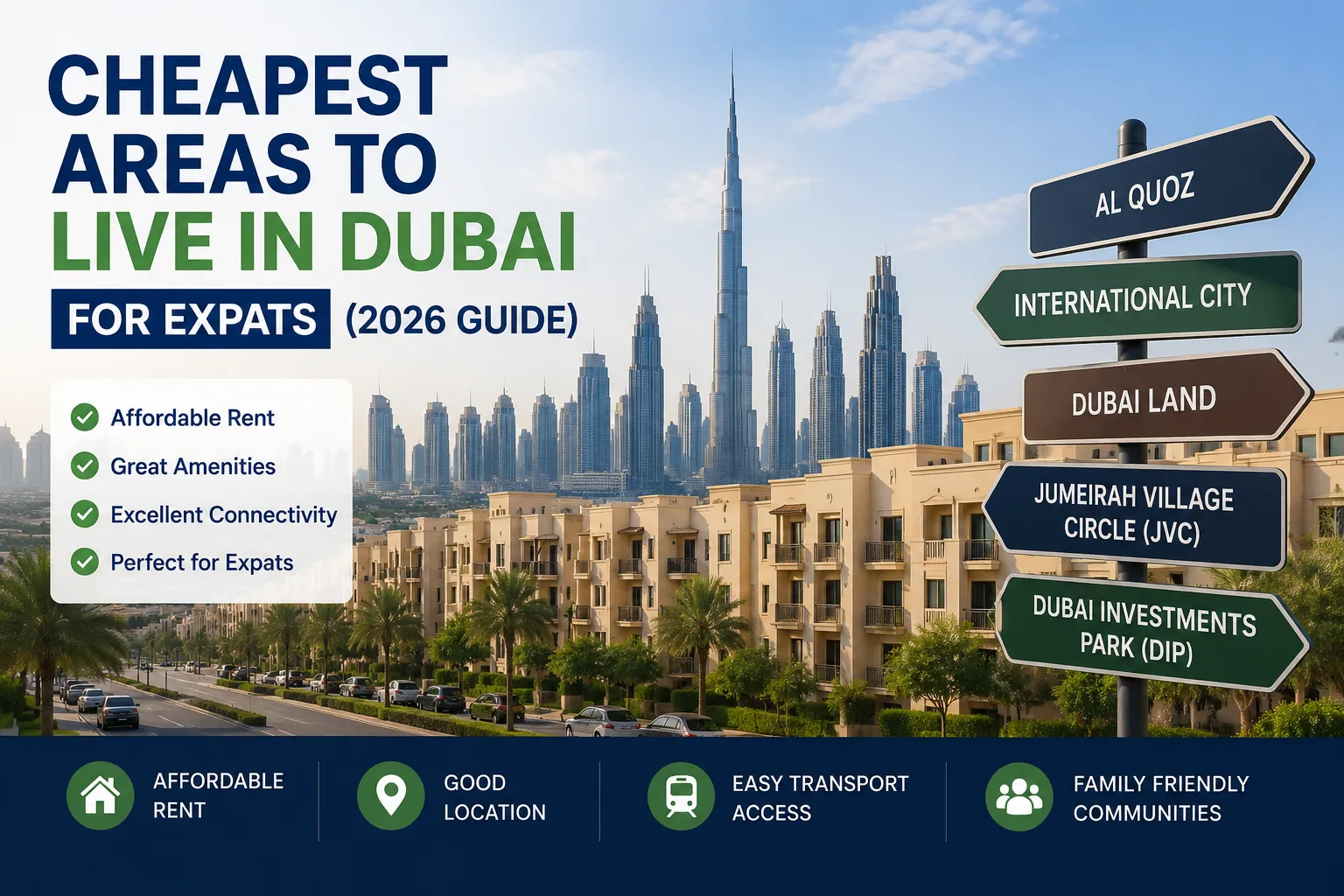
Underestimating the cost of living. Dubai can be expensive. Before accepting an offer, research realistic living costs — especially rent, which has risen significantly in recent years. A role that looks great on paper can feel tight if you haven’t done the math.
Only applying online. If your entire strategy is click-apply-repeat, you’re going to struggle. The personal outreach piece is genuinely important here.
FAQ: Jobs in Dubai for Foreigners
Q: Can I get a job in Dubai without a degree? Yes, but it narrows your options. Trade skills, hospitality, and some sales roles don’t strictly require a degree. That said, for most professional roles, having a degree and having it attested makes a real difference.
Q: Is it safe to job in Dubai on a tourist visa? Legally, you can look for work on a tourist visa. You just can’t start working until your work permit is processed. Many people do this and it’s a common and accepted practice.
Q: How long does it take to find a job in Dubai as a foreigner? It varies hugely. Some people land a role within 2–3 weeks if they come prepared and have in-demand skills. Others take 3–6 months. The more targeted and proactive your approach, the faster it tends to go.
Q: Do I need to speak Arabic to work in Dubai? For most expat-facing roles in business, tech, finance, and hospitality no. English is the working language of most multinational and private-sector companies. Arabic is a bonus, not a requirement, in most cases.
Q: Which nationalities get the easiest visa access to the UAE? Citizens of most countries can get a visa on arrival or a visa-free entry for tourism. For work visas, your employer sponsors you regardless of nationality — so the playing field is fairly level once you have an offer.
Q: Are there jobs in Dubai specifically for fresh graduates?
Yes — particularly in retail, hospitality, customer service, and some entry-level corporate roles. Graduate programs exist at larger companies like Emirates, Majid Al Futtaim, and some banks. It’s competitive, but not impossible.
Q: What’s the best time of year to job in Dubai? September through November and January through March tend to be the most active hiring periods. The summer months (June–August) can slow down — a lot of decision-makers are traveling during that stretch.
Final Thoughts
Before accepting an offer, compare compensation using our Average Salaries in Dubai by Profession (2026 Guide).
Dubai is genuinely one of the most viable cities in the world to build an international career — but only if you approach it strategically. The market rewards people who come prepared, make real connections, and understand how hiring here actually works.
Don’t get caught up in the glamour of the city and forget the practical groundwork. Get your documents attested. Build your presence on Bayt and LinkedIn. Register with two or three recruitment agencies in your field. And if you can, get there in person.
The opportunities are real. So is the competition. The edge usually comes down to preparation and persistence which, to be fair, is true of most things worth having.